
Comfort is not only soft chairs and warm blankets — though those help. For seniors, comfort means familiarity: the same morning chair, the smell of coffee at seven, photographs where they have always been. Protecting that familiarity, while quietly adding safety, is the art of good senior living.
Keep the rhythms, remove the risks
The goal is a home that feels unchanged but works better: favorite routines untouched, hazards gone. Non-slip mats that match the decor, brighter bulbs in the hallway, a sturdy chair exactly where the old wobbly one stood. Changes should be invisible to the heart and obvious to the body.
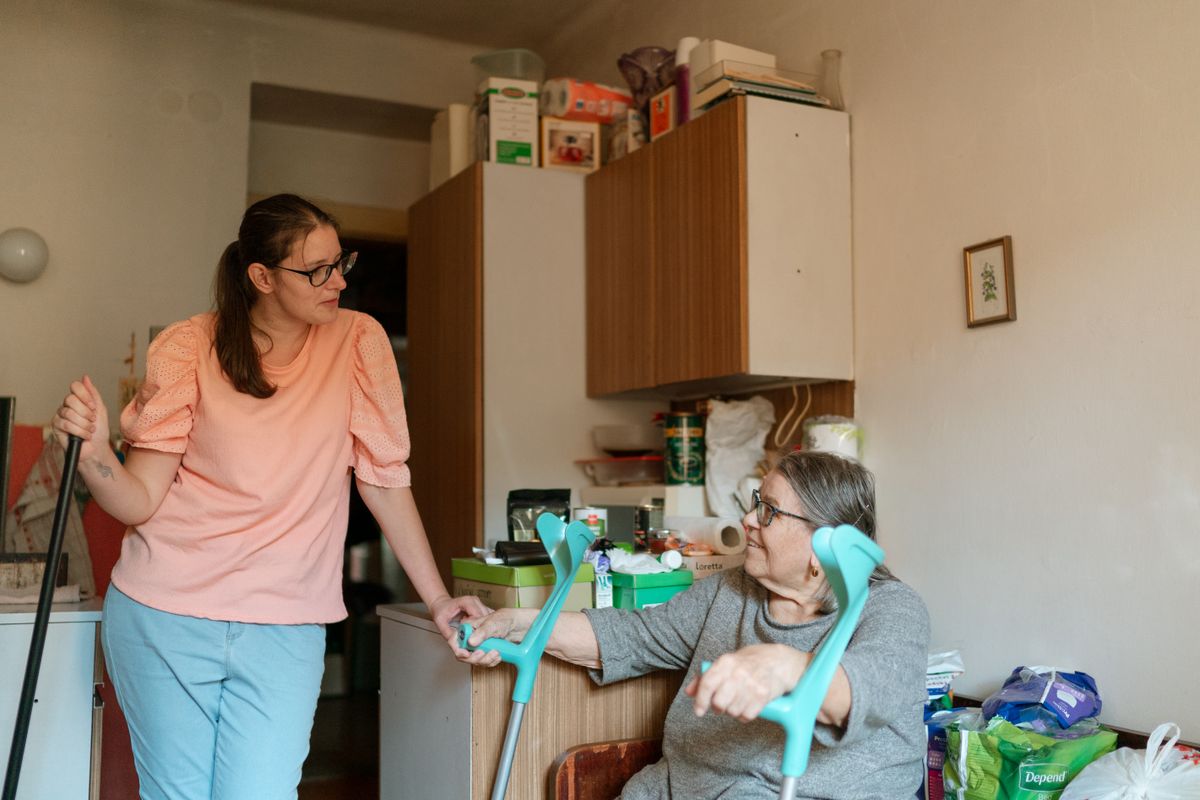
A comfort checklist that works
- Anchor the day — consistent wake, meal and bedtime rhythms reduce anxiety, especially with memory changes.
- Light and warmth — daylight by day, warm low light in the evening; comfort is largely sensory.
- Reachable everything — daily items at waist height; no step stools, no deep bending.
- Sound and company — gentle background music or a familiar voice nearby keeps silence from feeling empty.
When home needs a helping hand
Sometimes comfort needs support — help with meals, housekeeping, or simply someone nearby. That is exactly what residential care like Willowbrook provides: private rooms residents furnish themselves, gardens, familiar routines, and staff who feel like neighbors. Home, with a safety net woven invisibly underneath.